
5 Signs It's Time to Replace a Damaged Tooth with a Dental Crown
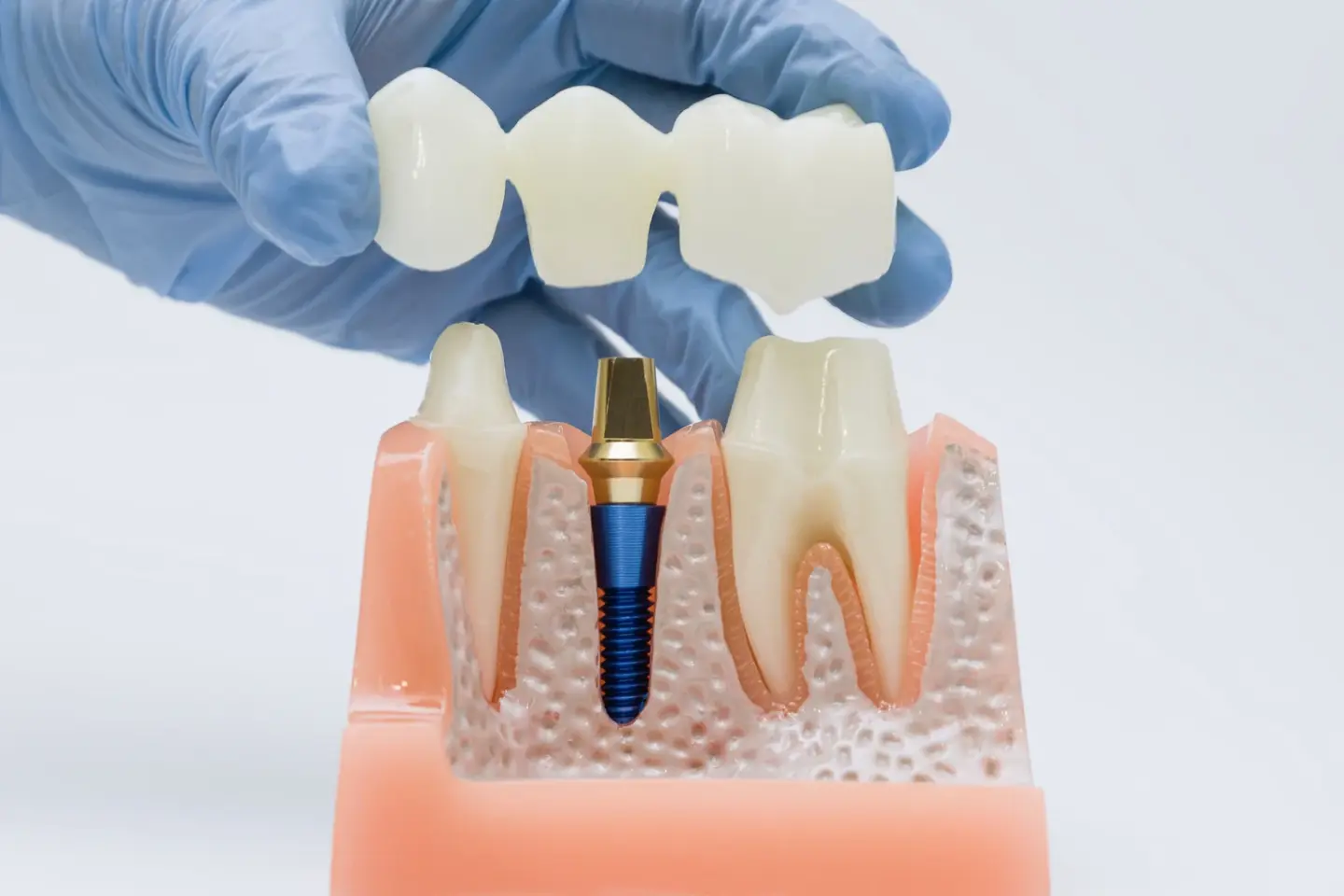
Not every damaged tooth needs a dental crown. Sometimes a small chip can be repaired with bonding or a filling. In other situations, however, a tooth may be too weak or damaged for a simple restoration to provide enough protection.
A dental crown can cover and protect a tooth that has lost significant structure. It can also restore the tooth's shape, function, and appearance, helping you keep your natural tooth rather than moving directly toward extraction.
If you are noticing changes in a tooth and wondering whether it needs a crown, knowing the warning signs can help you decide when it is time to schedule an examination. At Fitchburg Dental, we evaluate the condition of your tooth and recommend restoration based on how much healthy structure remains.
What Is a Dental Crown?
A dental crown is a custom-made restoration that fits over a damaged or weakened tooth. Once placed, it covers much of the visible portion of the tooth and helps protect the remaining structure.
Crowns can be made from several materials, including porcelain, ceramic, zirconia, and other dental materials. Your dentist can recommend an option based on the tooth's location, strength requirements, appearance, and your individual needs.
Why Would a Tooth Need a Crown?
A crown may be recommended when a tooth has experienced significant structural damage that cannot be predictably repaired with a filling or bonding.
It can help:
- Protect a weakened tooth
- Restore chewing function
- Cover extensive decay
- Restore a fractured tooth
- Strengthen a tooth after root canal treatment
- Improve the appearance of a severely damaged tooth
5 Signs You May Need a Dental Crown
1. Your Tooth Has a Significant Crack
A cracked tooth should never be ignored.
Small enamel cracks may not require a crown, but a deeper crack can compromise the structural integrity of the tooth. Depending on its location and severity, your dentist may recommend a crown to hold the remaining tooth structure together and protect it from further damage.
Why Cracked Tooth Treatment Should Not Wait
A crack can sometimes progress when you bite down, particularly if the tooth is already weakened.
If you experience sharp pain when chewing, sensitivity, or discomfort that comes and goes, schedule an examination. Early cracked tooth treatment may give you more options for preserving the tooth.
2. A Large Filling Has Weakened the Tooth
Fillings are excellent for repairing cavities, but a tooth with a very large filling may have relatively little natural structure remaining.
Over time, the remaining tooth may become vulnerable to cracking.
In these cases, a crown may provide additional protection and reduce the amount of stress placed on the weakened tooth.
3. Your Tooth Is Severely Worn or Damaged
Teeth can become worn because of grinding, clenching, acid erosion, trauma, or other factors.
When enough enamel and tooth structure have been lost, the tooth may become more difficult to restore with a small filling.
A crown can rebuild the visible portion of the tooth and restore its function.
4. You Have a Tooth That Has Undergone Root Canal Treatment
A root canal removes infected or damaged pulp from inside the tooth. Although this saves the natural tooth, the tooth may be more susceptible to fracture afterward, especially when it is a back tooth that absorbs substantial chewing forces.
Your dentist may recommend a crown to provide additional protection.
5. Your Tooth's Appearance Has Changed Because of Significant Damage
Not every cosmetic concern requires a crown. However, if a tooth is severely discolored, fractured, worn, or structurally compromised, a crown may restore both appearance and function.
The goal is not simply to make the tooth look better. The restoration should also protect the remaining structure.
Crown or Tooth Extraction?
When a tooth is badly damaged, patients sometimes assume extraction is the only option.
That is not always the case.
If enough healthy tooth structure remains and the roots and supporting tissues are healthy enough, restoration with a crown may be possible.
Preserving Your Natural Tooth
Whenever a tooth can be predictably restored, preserving it can have important advantages.
Your natural tooth maintains its relationship with surrounding teeth and supporting tissues. Extracting it creates a missing-tooth space that may eventually require replacement with an implant, bridge, or denture.
However, some teeth are too damaged to save. Your dentist will determine whether restoration is realistic.
What Happens During Crown Treatment?
The exact process varies, but treatment commonly involves:
Examination and Planning
Your dentist evaluates the tooth and may take X-rays or other images.
Tooth Preparation
Damaged or weakened areas are removed, and the tooth is shaped so the crown can fit securely.
Digital Scanning or Impressions
Your dentist obtains detailed information about the tooth so the restoration can be designed accurately.
Temporary Protection
Depending on the case, a temporary crown may be placed while the permanent restoration is being made.
Permanent Crown Placement
Once the final crown is ready, your dentist checks its fit, bite, shape, and appearance before securing it.
How Long Do Dental Crowns Last?
A dental crown can last for many years, but its lifespan depends on oral hygiene, bite forces, the material used, the condition of the supporting tooth, and habits such as teeth grinding.
A crown does not make a tooth indestructible.
Protecting Your Crown
Continue brushing twice daily, cleaning between your teeth, attending regular dental appointments, and avoiding habits that could damage the restoration.
If you grind your teeth, ask your dentist whether a custom nightguard could help protect your smile.
Protect a Damaged Tooth Before It Gets Worse
A damaged tooth does not always need to be extracted. In many cases, timely tooth restoration can protect the remaining structure and keep your natural smile intact.
If you have a cracked, weakened, severely worn, or extensively restored tooth, Fitchburg Dental can evaluate it and explain whether a crown or another treatment is appropriate.
Schedule an Appointment for Dental Crowns in Fitchburg, MA
Contact Fitchburg Dental to discuss your treatment options and find out whether a dental crown can restore and protect your damaged tooth.
Frequently Asked Questions
Q: How do I know if I need a dental crown?
A: dentist needs to evaluate the tooth, but signs may include a significant crack, extensive decay, a large filling, severe wear, or a tooth that has been weakened after root canal treatment.
Q: Can a crown fix a cracked tooth?
A: crown can sometimes protect and restore a cracked tooth, but the treatment depends on how deep and extensive the crack is.
Q: Is a crown better than extraction?
A: If a tooth can be predictably restored, preserving it may be preferable to extraction. However, some severely damaged or infected teeth cannot be saved.
Q: How long does crown treatment take?
A: Treatment may require one or more appointments depending on the restoration, laboratory process, technology used, and condition of the tooth.
Q: Does getting a crown hurt?
A: The tooth is numbed during preparation. Some temporary sensitivity or gum tenderness may occur afterward.
Q: Can a crown replace a missing tooth?
A: crown alone does not replace a missing tooth. A dental implant or bridge may support a crown when a tooth has already been lost.
Q: What happens if I delay treatment on a damaged tooth?
A: The damage may worsen, potentially making the tooth harder or impossible to restore.
Q: Does every cracked tooth need a crown?
A: No. Treatment depends on the location, depth, and severity of the crack.
Q: Can a crown look like a natural tooth?
A: Yes. Modern dental crowns can be customized to blend with surrounding teeth.
Q: When should I seek treatment for a damaged tooth?
A: Schedule an examination promptly if you have pain, swelling, sensitivity, a visible crack, or a tooth that has suddenly changed.


Hours
Monday–Friday: 9 AM – 5 PM
Saturday–Sunday: Closed


We are committed to providing high-quality dental care, personalizing each patient’s experience, and using the latest technology and techniques.


© Fitchburg Dental Associates 2025 | All Rights Reserved | Privacy Policy | Digital Marketing by Remedo